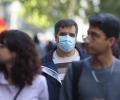
In the wake of the surge in respiratory diseases and new JN.1 sub-variant of COVID-19, the World Health Organisation (WHO) said that the virus is evolving and changing and urged the member states to continue with strong surveillance and sequence sharing.

'Antiviral treatment will have no change. Spike protein change may affect the immunity protection.'

The WHO's move came nearly three weeks after India objected to the B.1.617 mutant of the novel coronavirus being termed an 'Indian Variant' in media reports with the Union Health Ministry pointing out that the UN's top health organ has not used the word 'Indian' for this strain in its document.
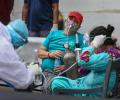
The B-1617 variant of the coronavirus, first identified in India, has been classified as a variant of concern at the global level by the World Health Organisation (WHO).

The Kraken COVID-19 variant accounts for almost 41 per cent of all Covid infections.
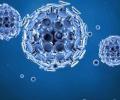
The latest variant is the most heavily mutated version discovered so far.

Soumya Swaminathan called on governments to boost exercises on reporting actual numbers.
 © 2026 Rediff.com - Advertise with us - Disclaimer - Privacy Policy - Sitemap - Feedback - About us - Terms of use - Grievances